
Last August, one of our long-standing clients came back with the same dilemma we hear every summer. She wanted Caribbean warmth, music in the evening, decent food, no frantic pace, and she did not want to spend half the trip wrestling with cash, queues or awkward transfers. Her shortlist was Havana and San Juan.
They look close on a map and they sit in the same sea, but they sell for very different reasons. Havana gives you Malecón sunsets, old American cars around Plaza Vieja and lower day-to-day prices once you are there. San Juan gives you Condado sea views, paved promenades, easier payments, better hotel consistency and a smoother week from touchdown to take-off.
We like both, and we still sell both, but we do not sell them to the same customer. This piece is for older travellers who want comfort and an easy pace.
Short answer
- Havana Book Havana if you want character, music and lower spend, and you tolerate a few rough edges.
- San Juan Book San Juan if you want comfort, easy logistics and a slower Caribbean week with fewer hassles.
Getting there is where the gap starts
For travellers coming from North America, San Juan is plainly easier. Luis Muñoz Marín International Airport is about 15 minutes from Condado and around 20 to 25 minutes from Old San Juan in normal traffic. You land, pick up a taxi or pre-booked transfer, and you are usually checking in before the airport coffee has worn off.
Havana is more of a mixed bag from Europe, Canada and Latin America, and much trickier from some other markets because routings change and direct flights are less predictable. José Martí International Airport sits around 30 to 45 minutes from Old Havana in light traffic, longer if arrivals pile up and baggage is slow, which happens. We have had customers breeze through in half an hour and others stand around much longer than they expected. That uncertainty matters more once you stop enjoying airports.
The trade truth is simple. If easy arrival day matters, San Juan wins by a clear margin.
Where to stay, and where we actually put people
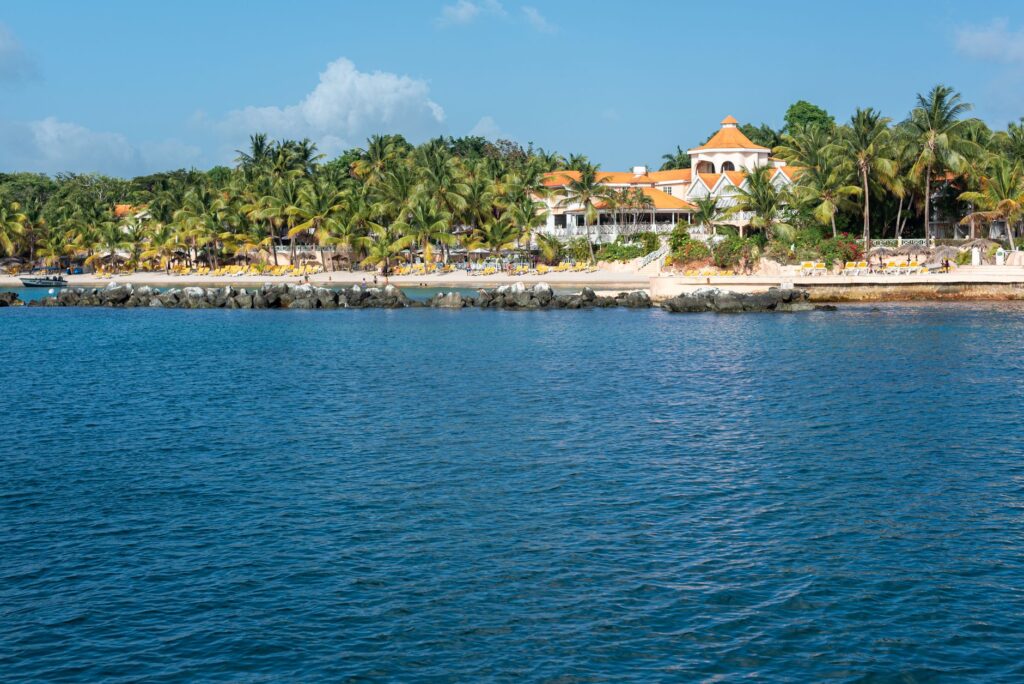
In San Juan, we book older clients into Condado most often, then Isla Verde, then Old San Juan for shorter stays. Condado is the sweet spot for this readership, walkable, flat in parts, lined with cafes, pharmacies and hotels with lifts, pools and proper breakfast rooms. The beach is right there, though the sea can be lively. Isla Verde gives you a longer sandy stretch and quick airport access, but it feels more resort-strip and less atmospheric after dark. Old San Juan is the prettiest quarter, around Calle Fortaleza, Paseo de la Princesa and the blue cobbles near El Convento, yet it has hills, uneven paving and many smaller historic properties.
Havana needs more careful handling. We place older travellers in Habana Vieja only if they actively want history on the doorstep and accept noise, patchy pavements and a lot of stairs in smaller boutique casas. Vedado is usually the better practical choice, especially near the Hotel Nacional area or around Avenida de los Presidentes, because rooms tend to be larger, roads wider and car access simpler. Miramar works well for those who want a quieter base and larger hotels, but it can feel a bit detached from the soul of the city.
One mistake we keep seeing is booking the cheapest room in central Havana because the photos show tiled courtyards and shuttered windows. Lovely on screen. Less lovely if the water pressure is weak, the lift is out, and the live band downstairs plays past midnight. For comfort, San Juan gives us fewer anxious phone calls.
The sights worth your money, and the ones we tell people to skip
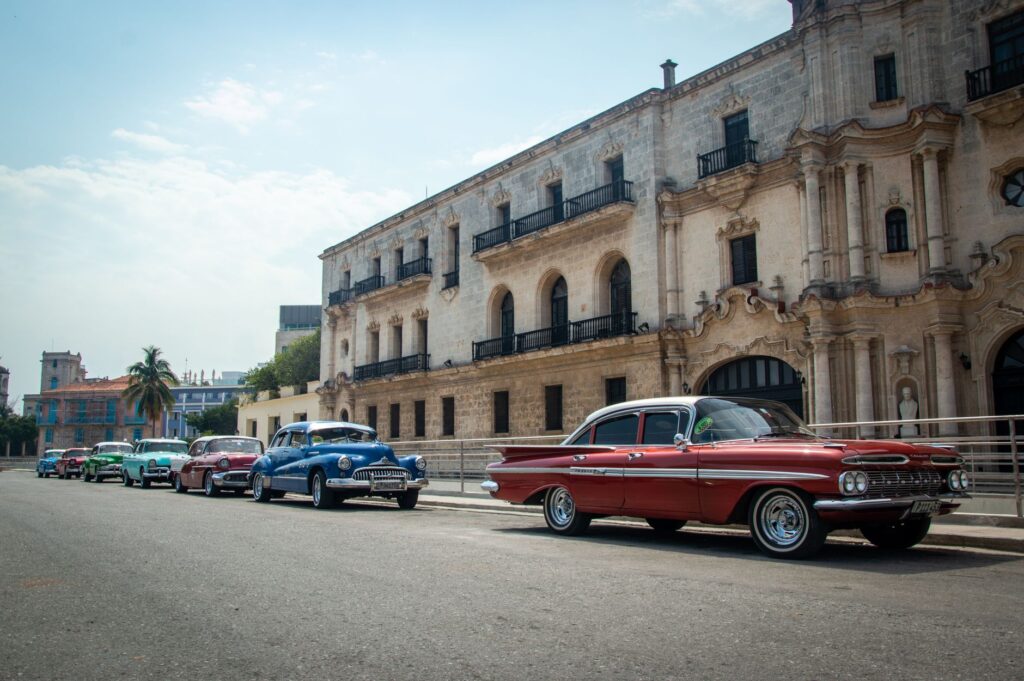
Havana is stronger on sightseeing. We would pay for a guided walk through Habana Vieja, taking in Plaza de Armas, Plaza Vieja, the Catedral de San Cristóbal and the Real Fuerza area, because context makes the city make sense. The Museo Nacional de Bellas Artes is worth a proper hour or two. So is an evening drink along the Malecón, which costs little and feels like the city in one frame. If you fancy the classic car ride, keep it short, around 45 minutes at sunset, and treat it as theatre rather than transport.
What do we skip in Havana? We rarely push customers toward a whole evening in Tropicana unless they are set on the spectacle and happy paying tourist prices. It is polished, famous and expensive for Cuba. We also steer people away from trying to cram in too many museums in one humid day. Havana rewards slowing down and people-watching more than box-ticking.
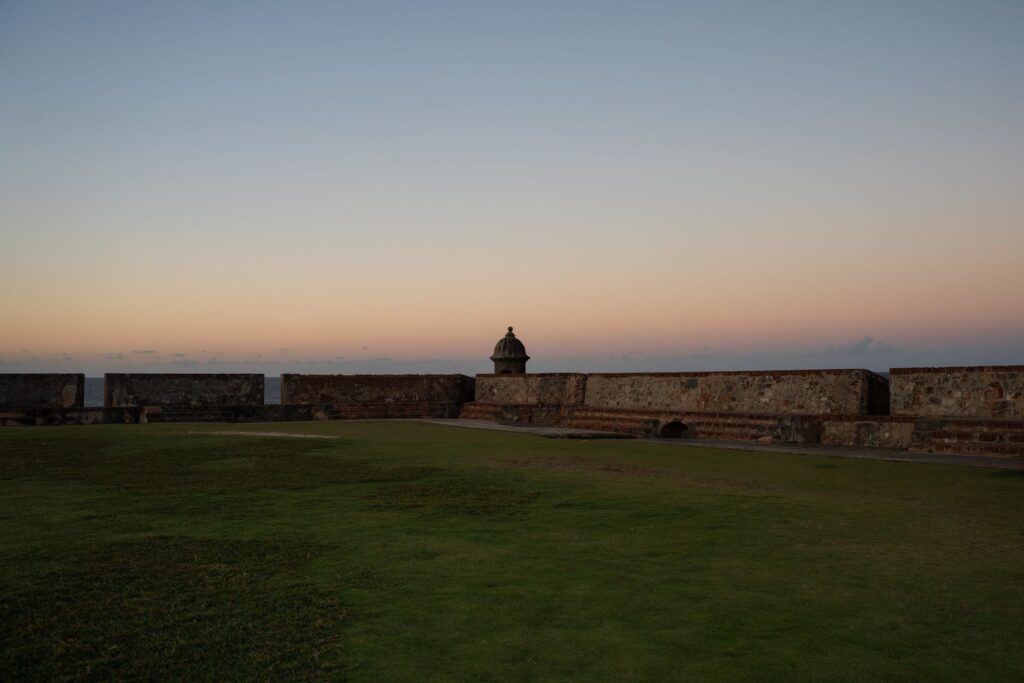
San Juan’s stars are El Morro, Castillo San Cristóbal and a wandering afternoon through Old San Juan, with a stop for coffee near Plaza Colón or a bench along Paseo del Morro. Those forts are absolutely worth the ticket price. The views over the Atlantic do the rest. If you want one excursion, we sell the bioluminescent bay trips on the island, but we are picky about operators because late returns and choppy boat rides do not suit everyone.
The weaker buy in San Juan is the string of generic souvenir stops and expensive rum experiences sold as essential. Casa Bacardí divides opinion. Some enjoy it. Plenty tell us later they would rather have spent the time by the pool and gone out for a better dinner. On pure sight value, Havana wins.
Food and drink are better in San Juan, even if Havana is more memorable
Let us be blunt. San Juan eats better at a more consistent level. In Old San Juan and Santurce, you can plan a week around proper meals and trust restaurants to deliver. We send clients for mofongo, arroz con gandules, snapper, octopus and a good flan, and they come back happy. A straightforward dinner with wine in a comfortable mid-range restaurant often lands around EUR 25 to EUR 45 per person, more in polished places in Condado.
Havana has charm, rooftop views and the sort of bars where a daiquiri tastes better because a trio is playing in the corner, but restaurant consistency is patchier. One night in a private paladar can be superb, the next can feel understocked because supply is unpredictable. That is the awkward truth. You go to Havana for roast pork, black beans, yuca, rum and atmosphere, not for the strongest restaurant scene in the Caribbean. Expect roughly EUR 15 to EUR 30 per person for a decent dinner in tourist-friendly spots, less in simpler places.
Drinks are cheaper in Cuba. Comfort is better in Puerto Rico. For older travellers who want to book a table and trust the evening, San Juan takes this section.
What a day really costs once you are on the ground
Havana remains the cheaper destination day to day, even after the recent habit of prices shifting faster than guidebooks keep up with. A comfortable but not luxurious day for two, with breakfast, lunch, dinner, a couple of drinks, one taxi ride and one paid sight, often works out around EUR 110 to EUR 180 excluding hotel. The catch is that managing money is less smooth. Cards are not the easy safety net people expect, and we tell clients to arrive prepared.
San Juan is mid-range and then some if you start adding cocktails in Condado. For two people, a realistic day with meals, taxis and one attraction often sits around EUR 170 to EUR 280 excluding hotel. Hotel rates are also higher on average than Havana, especially in winter and on weekends when local demand rises.
For a week, the gap grows. If budget is the main driver, Havana wins. If stress has a price, San Juan claws some of that back.
- Havana: better raw value, more cash planning, wider comfort range between hotels.
- San Juan: higher spend, easier payments, stronger reliability on rooms and meals.
Weather, pace and the months we push hardest
August is hot in both. Properly hot, with sticky afternoons, warm nights and the chance of heavy showers that arrive quickly and leave just as quickly. It is also hurricane season across the northern Caribbean, which matters in both destinations, though many trips still run perfectly well. We tell clients to book flexible rates and proper insurance, not the flimsy add-on hidden at checkout.
Our favourite months for older travellers are January to April for San Juan, and January to March for Havana. You get lower humidity, easier walking weather and a generally smoother sightseeing rhythm. December is popular in both and usually pleasant, but prices jump. We stop recommending Havana in the wettest, heaviest late-summer spells to travellers who hate heat, because walking Habana Vieja in oppressive humidity is hard work. San Juan handles summer heat a little better because beach time and hotel facilities soften the day.
September is the weakest month for both on weather risk, and we are especially cautious then. If your dates are fixed in late summer and you still want comfort, San Juan has the easier setup for staying cool and taking the day slowly.
Who suits each place, and who really does not
Havana suits travellers who still enjoy the texture of a place, a little unpredictability, and a city where the reward is in the street life between the major sights. We book it for people who say, very clearly, that they care more about atmosphere than polish. We do not book it lightly for anyone with mobility issues, anyone who needs dependable luxury standards, or anyone who gets flustered by changes to menus, payment methods or schedules.
San Juan suits older couples who want a Caribbean capital without the daily effort. Good hotels, easier transfers, more dependable dining and simple beach access all count heavily here. We do not push it for clients chasing the cheapest week in the Caribbean, and we do not sell Old San Juan to anyone who struggles badly with steps, because those pretty streets are not kind on weak knees.
If you want our hard line, San Juan is the safer booking for most older travellers. Havana is the right booking for the smaller group who still want character first and comfort second.
The booking advice we only give after years of selling both
In Havana, room category matters more than star rating. We have seen charming heritage properties with beautiful lobbies and disappointing standard rooms, then a less photogenic modern hotel with much better sleep quality. Ask for the exact room type, lift access and whether breakfast is served on site, not just included somewhere. Also, keep your first and last nights in the same property if you can. Splitting Havana stays sounds romantic and usually turns into needless packing in the heat.
For San Juan, watch resort fees and parking charges, because they change the value equation quickly. A hotel that looks EUR 40 cheaper per night can end up dearer once the extras land. We also tell clients to avoid back-to-back old-town sightseeing and beach days without checking transfer practicality, because crossing the city repeatedly in midday heat gets tiring fast.
One last trade tip. For both places, pay more for a room with outdoor space or a real sea view if the difference is sensible. Older travellers use the balcony, the terrace and the shaded seat far more than younger ones, and that extra hour of comfort before dinner often becomes the part of the holiday they talk about most. If you are torn and comfort is the brief, book Condado in San Juan and do not overthink it.
Havana vs San Juan: the side by side
| Havana | San Juan | |
|---|---|---|
| Flight time | Often indirect, varies by origin | Easier links, often shorter overall |
| Airport transfer | 30 to 45 minutes typical | 15 to 25 minutes typical |
| Typical week's cost for two | EUR 1,800 to 3,000 | EUR 2,600 to 4,400 |
| Best months | January to March | January to April |
| Beach quality | City beaches are weaker | Better urban beach access |
| Getting around | Taxis easy, walking uneven | Taxis easy, areas more straightforward |
| Family suitability | Better for adults than children | Stronger all-round holiday base |
| Nightlife | Music-led, memorable, rougher edges | Polished bars, easier late nights |
| Historic sights | Deeper and more rewarding | Good forts, less breadth |
| Payment ease | Needs planning and cash sense | Simple card-friendly travel |
Highlighted cells show where our consultants give the edge.
Holiday Vote recommends
San JuanPuerto Rico
San Juan wins for comfort
For older travellers who want comfort and an easy pace, San Juan is the stronger booking. The airport is close, the hotels are more dependable, restaurant quality is steadier, cards work as expected, and a beach-and-sightseeing week takes far less effort. We send more comfort-first couples there because the holiday starts smoothly and stays smooth.
Havana is the better call in one clear scenario, you care more about atmosphere, architecture and value than polished ease, and you are happy to trade some convenience for a city with far more personality. If that is you, stay in Vedado, keep the schedule light, and Havana will reward you.
Which would you book?
1 votes so far
Questions we get asked
Is Havana safe for older travellers?
Yes, in the practical sense most visitors mean, but it demands more patience than San Juan. We tell clients to watch pavements, carry only what they need for the day, and use trusted taxis arranged by the hotel or host.
Do we need a car in San Juan?
No, not if you stay in Condado, Isla Verde or Old San Juan and keep your plans local. For older travellers, taxis and ride apps are easier than parking, and parking fees at hotels are often irritatingly high.
Which city is easier if one of us has mobility issues?
San Juan is easier overall, especially in a modern hotel in Condado. Old San Juan and Habana Vieja both have uneven surfaces and slopes, but Havana is generally the harder city to manage day to day.
Can we combine Havana with a beach stay?
Yes, and many people do, usually by adding Varadero after the city. We only recommend it if you have enough nights, because chopping a one-week trip into too many pieces makes Cuba feel more tiring than it needs to.
Are prices stable in Havana?
No, they shift more than clients expect, especially for dining and private services. That is why we give broad current ranges and tell people to carry a buffer rather than budgeting to the last euro.
No matchups published yet.