
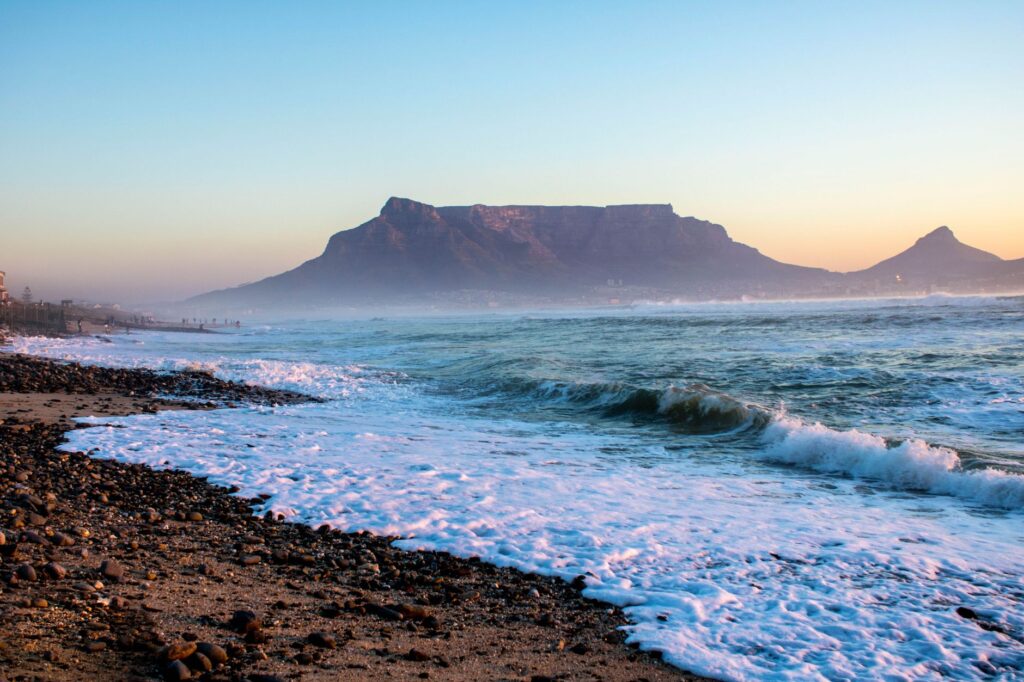
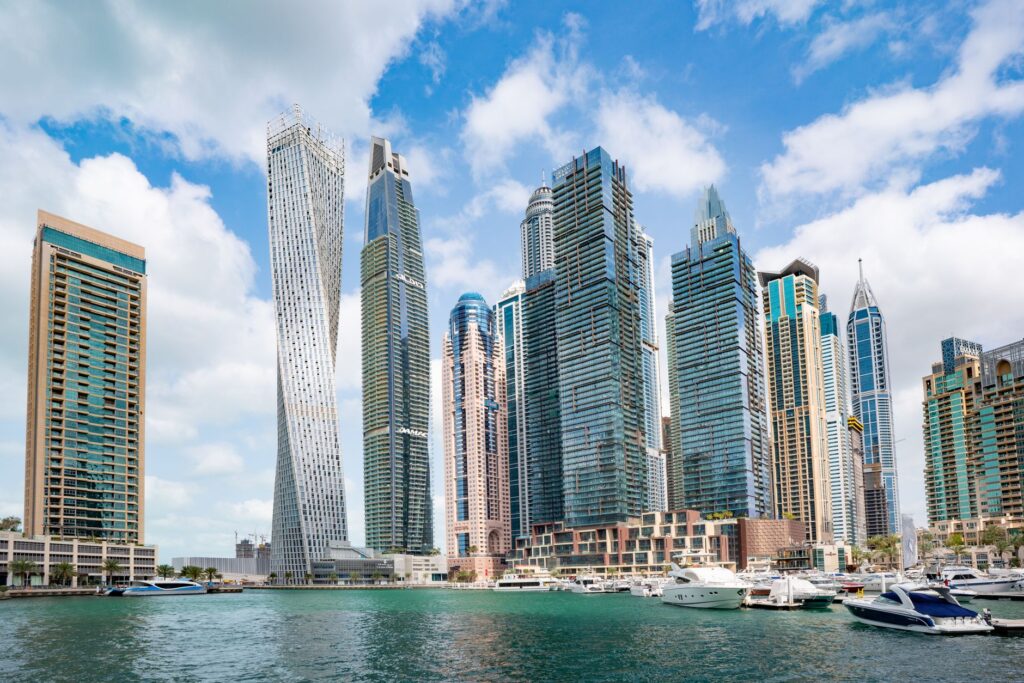
Last week we had a couple from Frankfurt with exactly four nights free, enough energy for one proper long-haul push, and a budget that would stretch to either Camps Bay with sundowners at Chinchilla or a Marina high-rise in Dubai with a Burj Khalifa ticket thrown in. They wanted heat, good dinners and a trip that felt bigger than a city break. That shortlist sounds close on paper. In real life, it isn’t.
We’ve sold Cape Town and Dubai for years, often to the same type of client, people who want a short, high-impact escape and don’t have ten nights to recover from a bad base or a wasted transfer. One is dramatically better value and more rewarding once you’re there. The other is easier to operate, more predictable in winter, and far better for travellers who want everything smoothed out.
This is for the reader booking three or four nights from anywhere in the world, and trying to decide which one deserves those precious days.
Short answer
- Cape Town Couples and food-led travellers who want a big-feeling break without luxury-resort prices.
- Dubai Families and winter-sun seekers who value smooth logistics, warm water and polished hotels.
Getting there is where Dubai lands the first punch
For a short break, travel time matters more than people admit. Dubai wins this section because Dubai International is one of the easiest long-haul hubs on earth to use and the city starts almost at the airport fence. From DXB to Downtown or Dubai Marina, you’re often in the car for 20 to 35 minutes if traffic behaves. If you stay on the Palm, allow longer. From Europe you’re usually looking at around 6 to 7 hours in the air. From India, East Africa and much of the Gulf, it’s a very easy hop. From North America and Australasia it’s still long, but the airport operation is efficient enough that the trip feels contained.
Cape Town International is a calmer airport than Dubai, but the global route map is thinner and the journey often takes more planning. From London or Amsterdam, the overnight direct works well at roughly 11 to 12 hours. From many other cities you connect via Johannesburg, Doha, Dubai, Addis Ababa or a European hub, and on a three-night trip that extra moving part matters. The airport to Camps Bay, Sea Point or the V&A Waterfront is usually 25 to 35 minutes. The upside is that once you land, the scenery starts immediately. The downside is that jet lag and flight length eat harder into a short stay.
We still sell Cape Town for long weekends, especially to travellers already in Europe, the Middle East or on the African continent. But if the brief is pure ease, minimum faff and maximum predictability, Dubai is the cleaner booking.

Where you stay shapes the whole trip
In Cape Town, we push three bases again and again. V&A Waterfront is the easiest for first-timers, safe-feeling, walkable by local standards, packed with hotels and close to the ferry to Robben Island. It can feel polished to the point of bland after dark, and some restaurants there are forgettable, but for three nights it works. Sea Point is where we send repeat visitors who want cafés, the promenade and better everyday value. Camps Bay is the postcard one, with the Twelve Apostles behind you and the beach in front, but the restaurant strip is pricier than it deserves and traffic into town can drag.
Skip staying in the CBD unless you know exactly why you’re doing it. Some streets are full of character by day, around Bree Street and Kloof Street especially, but a lot of first-timers hate the stop-start rhythm of deciding where it’s fine to walk and where it isn’t. For a short break, that mental admin is wasted energy.
Dubai is easier to map. Downtown suits first-timers who want the Burj Khalifa, Dubai Mall and a short taxi almost everywhere. Dubai Marina and JBR work best for beach time, late dinners and a resort-feel without being isolated, though traffic there can be maddening in the evening. Palm Jumeirah is where we place clients who want full-service hotels and don’t care that they’ll be paying heavily for the privilege. Deira and Bur Dubai are better value and give you a more old-school city feel, but they’re rarely what people picture when they say they want a glamorous short break.
Dubai’s accommodation stock is deeper and more consistent. Cape Town’s best small hotels have more charm. For this reader, charm beats consistency, so Cape Town edges the stay itself, but only if you book the right neighbourhood.
The paid sights are stronger in Cape Town, with fewer regrets
Table Mountain is the obvious one and still worth every cent if the cableway is running. The mistake people make is leaving it to the last afternoon. We tell clients to go the first weather window they get, because cloud closes the mountain without apology. Kirstenbosch is another easy yes, especially in summer when the light hangs on and you can stretch your legs without turning the day into a military operation. Cape Point and Boulders Beach make a fine full-day loop if you start early. Robben Island is important and memorable, but the sea cancellations are real, and on a three-night trip we only recommend it if the historical interest is strong.
Dubai has more engineered spectacle. The Burj Khalifa observation deck is one of those experiences people feel obliged to book. We’d only call it worth the money if you choose your time carefully and accept that you are paying for the bragging rights as much as the view. We much prefer spending on an evening in the desert with a good operator than throwing money around inside Dubai Mall attractions. The Museum of the Future looks superb and is genuinely interesting, but tickets sell out. Old Dubai, the abra across the creek, and the souks are still among the city’s best hours, precisely because they don’t feel like you’re feeding a machine.
There are skips in both cities. In Cape Town, the Two Oceans Aquarium is pleasant, not trip-defining, and some wine tram combinations eat half a day for very little wine if you only have three nights. In Dubai, we regularly talk people out of too many paid observation decks, too many indoor attractions and any beach club charging a small fortune just for a lounger. For memorable sightseeing in a short span, Cape Town wins comfortably.
Cape Town eats better, and for less money
We don’t say that lightly, because Dubai has every cuisine under the sun and some excellent kitchens. But if your break lives or dies by dinner, Cape Town is one of the easiest wins we have in long-haul city breaks. On one long weekend you can do seafood in Kalk Bay, small plates on Bree Street, a proper braai-led dinner in the Winelands if you add a day trip, and a beachside lunch in Camps Bay with wine that would cost three times as much elsewhere. A very good bottle from Stellenbosch or Franschhoek often lands at a price in EUR that still surprises clients when they see the bill.
Dubai excels at range. You can eat superb Lebanese, Iranian, Indian and Japanese food, and the city’s hotel brunch culture has its place. But the pricing bites. Casual meals add up fast once drinks enter the picture, and in licensed venues they really enter the picture. We’ve had clients come back delighted by the hotels and faintly offended by what two cocktails and a shared starter did to the evening budget.
A practical warning. In Cape Town, waterfront and beach-strip restaurants can be overpraised online. We still steer people to places with local trade around Sea Point, Bree Street and Kalk Bay rather than anywhere surviving purely on the sunset view. In Dubai, the same rule applies doubly around the Marina and inside large hotels. Food quality is high in both cities. Pleasure for the money is miles better in Cape Town.
What a day actually costs once you stop dreaming
For a three or four night stay, people usually underestimate local spend and overestimate the flight. Cape Town’s air fare from many markets is often reasonable by long-haul standards, then the city bails you out once you arrive. A decent taxi ride is manageable. A strong dinner for two with wine is very manageable. Mid-range hotels in Sea Point or near the Waterfront regularly come in far below equivalent quality in Dubai, especially outside the South African peak summer holiday pinch points.
Dubai is expensive in the way polished cities are expensive. Room rates rise quickly in the high season, beach hotels rise even faster, and small extras stack up all day. The metro is cheap and useful on the right itinerary, but many short-break travellers default to taxis because the heat and distances push them that way. Then there’s alcohol, attraction tickets and resort dining.
- Cape Town: mid-range room 110 to 220 EUR, smart dinner for two with wine 45 to 90 EUR, coffee 2 to 3 EUR, taxi across the city often 8 to 20 EUR.
- Dubai: mid-range room 170 to 320 EUR, smart dinner for two with drinks 90 to 180 EUR, coffee 4 to 6 EUR, taxi across the city often 12 to 30 EUR.
Those are broad working figures, not fantasy bargains. We sell both every week, and Cape Town is the one where clients come home saying they ate better than expected and spent less than feared.
Who each place suits, and who we talk out of it
Cape Town suits couples, food-led travellers, photographers, hikers, and anyone who wants a short break to feel cinematic. It also suits families who are comfortable using cars and planning around weather. It does not suit travellers who get anxious about personal safety, hate variable conditions or want a destination where every step of the day is frictionless. We’ve had plenty of clients adore Cape Town while still admitting they never fully relaxed in the way they do in Singapore or Dubai.
Dubai suits families with younger children, winter-sun seekers, shoppers, and travellers who want top-end hotels, pools and straightforward logistics. It suits mixed-age groups because one person can do a spa day while another heads to Aquaventure or the Dubai Mall. It does not suit people chasing authenticity at every turn, and it’s a weak fit for travellers who resent paying premium prices for experiences that feel manufactured.
Nightlife is an interesting split. Cape Town has a more enjoyable social energy around Kloof Street, Bree Street and Camps Bay, and it feels less stage-managed. Dubai has bigger venues, stricter door cultures in some places, and a hotel-bar ecosystem that can feel detached from the city itself. For a grown-up long weekend, we’d rather send most couples to Cape Town.
August weather changes this matchup more than people think
Published in August, we need to be blunt about seasonality. August is a strong month to book Dubai for travel from late autumn through early spring. November to March is the sweet spot, with warm days, outdoor dining and beach weather that actually behaves. July and August in Dubai are punishingly hot, sticky and deeply limiting unless your plan is hotel, mall, taxi, repeat. We still book it in summer for bargain luxury, but we do it with a very clear warning.
Cape Town flips the script. December to March is prime for beaches, long evenings and that picture-book look people carry around in their heads. January is busy and pricier, especially with South African school holidays in the mix. June to August is winter, greener than many expect, often cheaper, and perfectly workable for food, city time and dramatic scenery, but not reliable beach weather. Wind also matters more than first-timers realise. A blue-sky day can still turn messy on the Atlantic side.
There is one awkward truth we repeat all year. Cape Town’s ocean is cold. Clifton and Camps Bay look like a perfume advert, then people put a foot in and reconsider their life choices. Dubai’s sea is far more forgiving. If your short break is really a beach break in winter, Dubai takes it. For nearly every other weather-related brief, Cape Town has the more rewarding high season.
The booking advice we only give after years of fixing mistakes
In Cape Town, we tell clients to book a cancellable first night, prebook a table for at least one standout dinner, and leave one half-day flexible for Table Mountain. Weather fouls up neat itineraries. If you lock every hour, the city punishes you. We also avoid very late arrivals for nervous first-timers unless we’ve arranged a proper transfer and a hotel in a straightforward area like the Waterfront or Sea Point. Saving 20 EUR on the wrong arrival setup is false economy.
For Dubai, the trade trick is the opposite. Prebook more than you think you need in high season, especially family rooms, Palm resorts and headline attractions. A hotel that looks like a bargain can become poor value if breakfast, resort fees, club access and alcohol prices do the damage later. We also check exactly which airport a client is using and at what hour. A cheap flight into Al Maktoum or Sharjah changes the ground plan more than people expect, especially on a three-night trip.
One last point, and this genuinely saves holidays. Don’t split hotels in either city on a break this short. We still see people trying one night Downtown, two nights on the Palm, or two nights Sea Point and one in the Winelands. Three or four nights means one base, one rhythm, and a trip that still feels like rest.
Cape Town vs Dubai: the side by side
| Cape Town | Dubai | |
|---|---|---|
| Flight time | Longer for most markets | Usually shorter, easier hub |
| Typical week's cost for two | Around 1800 to 3200 EUR | Around 2800 to 5000 EUR |
| Best months | December to March | November to March |
| Beach quality | Beautiful, cold Atlantic water | Warm sea, groomed beaches |
| Getting around | Taxis easy, car often useful | Taxis and metro very simple |
| Family suitability | Good with planning | Excellent hotel infrastructure |
| Nightlife | More character, better value | Flashier, pricier scene |
| Food and drink | Better meals for less | Huge choice, expensive drinks |
| Short-break payoff | More memorable per day | Smoother logistics per day |
| Scenery factor | Table Mountain and coast | Skyline and desert |
Highlighted cells show where our consultants give the edge.
Holiday Vote recommends
Cape TownSouth Africa
Cape Town wins the long weekend
For three or four nights, Cape Town gives you more story per hour and more quality per euro. The scenery is stronger, the food is better, the hotel spend goes further and the city feels like a real place rather than a collection of paid experiences. If you can handle a longer journey and you book the right base, it’s the one we’d choose for most clients with a short window.
Dubai is the better booking in one clear scenario, a winter-sun break where easy transfers, warm sea, family hotels and predictable logistics matter more than character or value. If you’re travelling with younger children in January, or you want to step off the plane and stop thinking, book Dubai and pay the premium with your eyes open.
Which would you book?
0 votes so far
Questions we get asked
Is three nights enough for Cape Town?
Yes, if you treat it as a concentrated city-and-scenery break and stay in one base. We’d aim for one mountain or peninsula day, one food-focused day and one relaxed waterfront or beach day.
Is Dubai better for a stopover than Cape Town?
Yes. Dubai is built for short stays, with easier flight options, simpler transfers and more hotels that work well for one to three nights without planning gymnastics.
Which is safer for first-time visitors?
Dubai is far easier and feels more straightforward at almost every hour. Cape Town is perfectly saleable, but we give much more detailed area and transport advice because street smarts matter there.
Do I need a car in Cape Town for a long weekend?
Not always. For three or four nights, many clients manage happily with prebooked transfers, ride-hailing and one organised peninsula or Winelands day.
Which is better in August itself?
Dubai is far too hot for the version most people imagine, so we rarely push it for August travel unless a hotel deal is exceptional. Cape Town is in winter, but still rewarding for restaurants, city views and dramatic coastal drives on the right days.