

Last August, one couple came to us with a very familiar brief. Four nights, hand luggage only, decent beer, proper city sights, no silly overspend on taxis or tourist-trap dinners. They had narrowed it to Edinburgh and Hamburg, and they were doing what most people do at that stage, looking at headline flight prices and assuming the cheaper fare would decide it. It didn’t.
We’ve sold both cities for years, and the trap is simple. Edinburgh often tempts people with one iconic image, the Castle above the Royal Mile, and then stings them on hotel rates and August pricing. Hamburg looks less obvious on first glance, then quietly wins people over with lower room costs, better public transport, cheaper eating and a city layout that lets you do more in a day without leaking money.
So this is the straight version of the conversation we have in the office. No brochure fluff, just where your euros actually go furthest, for value hunters booking from all over the world.
Short answer
- Edinburgh Book Edinburgh for a first big Europe city break with classic sights and a wider Scotland plan.
- Hamburg Book Hamburg for lower daily costs, better transport and a more generous city break budget.
Getting there and how long it takes
For long-haul travellers, neither city is a giant intercontinental hub on the scale of London, Frankfurt or Amsterdam, so a connection is common. Edinburgh Airport is about 30 minutes from the centre on the tram, and that part is painless. Hamburg Airport is even easier, roughly 25 to 30 minutes to the centre on the S-Bahn, and we find arrivals there less frantic in summer.
From within Europe, both are easy. Low-cost and legacy carriers serve each city well, though Edinburgh’s fares jump hard during August and around Hogmanay. Hamburg stays steadier. From North America, Edinburgh has useful seasonal nonstop options in the warmer months, which can save a lot of time, but if those nonstops aren’t running or have gone expensive, Hamburg via Frankfurt, Amsterdam or Copenhagen is usually the better-value ticket.
Where Hamburg pulls ahead is the total travel bill after landing. Public transport from the airport is straightforward, and you rarely need a taxi once you are in town. In Edinburgh, people see a central hotel on a map and think they’ll walk everything. Then they meet the hills, the stairs, the wind and the luggage. We’ve heard that complaint more than once.

Where you actually stay
In Edinburgh, first-timers chase the Royal Mile, Grassmarket and New Town. We understand why. You are close to Edinburgh Castle, St Giles’ Cathedral, Princes Street Gardens and plenty of bars. The problem is price. In August, a modest room in Old Town or New Town can feel offensive for what you get, and many buildings have no lift, narrow staircases and plenty of street noise. For better value, we often place people in Haymarket or the West End. You lose a little postcard drama, but you gain train links, tram access and rates that don’t insult you.
Leith is the Edinburgh area we end up recommending most to repeat visitors. It has proper restaurants, a local feel and easier breathing space around The Shore. The trade-off is obvious, you are not stepping outside into the historic core, so you need buses or a tram back toward the centre. For four nights, that is fine. For one or two, stay closer in.
Hamburg is easier to divide up. Altstadt and Neustadt put you near the Binnenalster, main shopping streets and the Rathaus. St Georg, around the Hauptbahnhof and Lange Reihe, works well for value if you choose carefully, though some streets right by the station feel rougher late at night than the brochures suggest. We tell cautious couples to stay a little west or north rather than directly on the busiest station blocks.
For the best all-round base, we usually pick Sternschanze, Karolinenviertel or parts of St Pauli away from the noisiest strips. You get quick U-Bahn and S-Bahn access, cheaper food than the central tourist core, and a city that still feels awake after dinner. HafenCity looks smart on booking sites, but for many value hunters it is too polished and too thin on inexpensive places to eat at night.
The sights worth paying for
Edinburgh wins this section. It has the stronger set of headline sights in a compact area. Edinburgh Castle is expensive for what it is, but we still tell first-timers to pay it once because the views, the setting and the sense of place deliver. Holyrood Palace is more selective. If you care about royal history, go. If you don’t, save the money and walk the Royal Mile, Calton Hill and Dean Village instead. Arthur’s Seat is free, and on a clear day it is the best-value activity in the city by a distance.
The skip in Edinburgh is easy. Don’t spend your whole trip eating and shopping your way down the Royal Mile thinking every tartan shop is part of the experience. A lot of it is souvenir theatre. The Scotch Whisky Experience divides customers. People who know whisky often come back underwhelmed. People who want an easy, polished intro usually enjoy it, but it is not where we’d put tight budgets first.
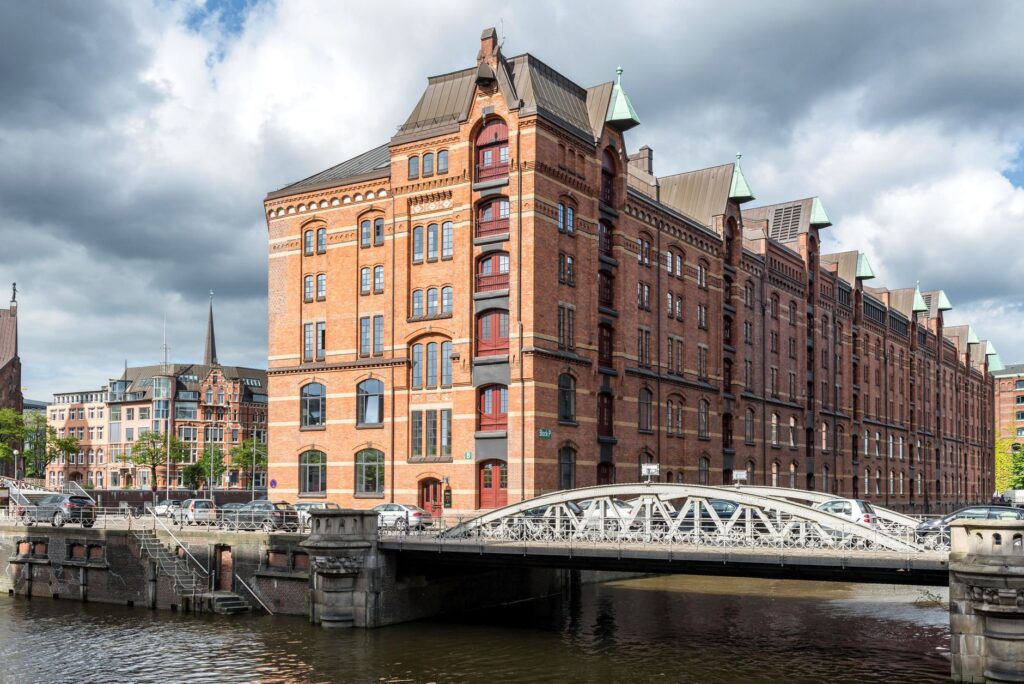
Hamburg’s paid sights are less iconic, but they are often better-priced. Miniatur Wunderland in Speicherstadt is one of the best attractions in either city, full stop, and adults love it as much as children. Elbphilharmonie Plaza is cheap to access and gives you one of the city’s best views without making you buy a concert ticket. A harbour boat trip is still worth doing because Hamburg makes more sense from the water, especially around Landungsbrucken and the container port.
We are cooler on some of Hamburg’s packaged tourist offers in St Pauli. Reeperbahn tours vary wildly in quality, and the fish-market mythology gets overplayed by people who are not actually up early enough to enjoy it. If you only have two or three days, spend your time on Speicherstadt, the harbour, Alster walks and a half-day in Schanzenviertel or Ottensen instead.
Food and drink
Hamburg takes this comfortably. Edinburgh has improved a lot, and we happily send customers to Leith for seafood or to Stockbridge for better local dining, but the city centre still has too many average pubs and tourist menus charging full-tilt prices. A basic lunch near the Royal Mile or Princes Street can cost more than it deserves, and drinks in central bars add up fast in August.
Hamburg gives you more range for less money. Around Sternschanze, Karoviertel and St Georg, you can eat well without treating dinner like an event purchase. Good Turkish food, seafood, bakeries, excellent breakfasts and reliable international kitchens are easier to find at sane prices. A casual dinner for two with drinks generally lands lower than in Edinburgh, and lunch deals are stronger.
On drinking, Edinburgh has atmosphere. A pint in a historic pub off Victoria Street or in the Grassmarket can be a highlight of the trip. It is just not cheap. Hamburg’s beer culture is less romantic in postcard terms, but your money goes further and the city stays lively later. One awkward truth, bars directly on the Reeperbahn are often where visitors spend the most and enjoy it the least. We steer people one or two streets away.
- Best budget lunch in Edinburgh: bakeries, soup-and-sandwich spots in New Town, casual places in Leith.
- Best budget lunch in Hamburg: Sternschanze cafes, St Georg takeaways, harbour-area fish sandwiches away from the prime tourist corners.
- Best splurge worth it: Leith seafood in Edinburgh, modern German tasting menus in Hamburg.
What a day realistically costs
For value hunters, this is where the race is decided. In Edinburgh in August, a couple in a decent mid-range hotel often spends around EUR 220 to EUR 320 a night for the room alone in central areas, and more during peak festival dates. Add breakfast, one paid sight, lunch, dinner, a couple of drinks and local transport, and a realistic day for two often lands around EUR 420 to EUR 560. You can do it for less, but only by compromising on location or cutting paid attractions.
Hamburg usually lands lower. A decent mid-range room in a useful area often comes in around EUR 150 to EUR 240 a night outside major event spikes. With transport, one or two attractions, lunch, dinner and drinks, many couples spend roughly EUR 320 to EUR 450 a day without feeling pinched. Across a week, that gap matters.
There is one Edinburgh exception worth saying out loud. In winter, outside Hogmanay, prices can drop enough that the city starts to look better value than people expect. The trade is short daylight, damp cold and a very different atmosphere. Hamburg also softens in price off-season, but not with the same dramatic August-to-winter swing.
Who each city suits and who it does not
We put Edinburgh in front of travellers who want a short, high-impact city break with obvious landmarks, a strong sense of history and easy first-timer sightseeing on foot. It works well for multigenerational trips because the headline sights are simple to understand and close together. It also works for people combining a city break with the Highlands by rail or car. Where it falls down is on value once festivals push up room rates.
Hamburg suits travellers who like living cities more than museum-piece cities. People who enjoy neighbourhood wandering, lakeside walks around the Alster, warehouse architecture in Speicherstadt, late dinners and efficient transport usually come back happier than they expected. Families do well there too, especially with Miniatur Wunderland, harbour boats and easy local trains. It is less successful for people who want a checklist of world-famous monuments within a few streets of each other.
We actively warn some customers off both. Edinburgh is hard work for anyone with limited mobility if they insist on staying in Old Town. Cobblestones and gradients are part of the deal. Hamburg is a poor fit for travellers who book right by the station or on the Reeperbahn for the price and then complain about noise, stag parties and red-light spillover. That is a booking error, not bad luck.
Weather and the best and worst months
August is lively in both cities, but they feel different. Edinburgh in August has energy pouring out of the Fringe, Military Tattoo season and packed streets around the Old Town. It also has higher prices, busier pavements and the need to book almost everything ahead. Hamburg in August is warm by local standards, green, sociable and easier on the wallet, though popular terraces and harbour areas still get busy.
Best months for Edinburgh are late May, June and September if you care about value. You get decent daylight, fair sightseeing weather and room prices that are less punishing than peak festival August. Worst month for pure value is August, despite all the excitement, and the festive peak around New Year is no bargain either. We stopped calling August a value month years ago.
Best months for Hamburg are May, June and September as well, with early July often excellent. The city is pleasant in winter if you like Christmas markets and crisp canal-side walks, but grey days can flatten it. Worst weather stretch is usually the darker part of November through February, when damp, wind and short days take the shine off waterside areas. Hamburg still wins for value then, just not for mood.
The booking advice we give in the trade
Here is the part customers rarely hear early enough. In Edinburgh, never book August flights first and assume the hotel piece will sort itself out. The room rate is what wrecks the budget, not the airfare. We often reverse the normal order there, lock the hotel or apartment first, then build flights around it. If central Edinburgh looks too expensive, move quickly to Haymarket, West End or Leith before those districts surge too.
For Hamburg, the key is checking city events before you confirm. Big trade fairs and major concerts can distort hotel pricing in ways first-time visitors don’t anticipate, especially around central business districts. We always compare Sternschanze, St Georg, Altona and Neustadt side by side because one event can make one neighbourhood absurd while the next one over stays fair.
One more. If you are flying in from outside Europe and doing open-jaw tickets, Edinburgh pairs better with a wider Scotland trip, while Hamburg pairs brilliantly with a rail extension to Lubeck, Bremen or even Copenhagen. For a pure city break on a budget, book Hamburg. If your city break is really the front end of a Scotland itinerary, Edinburgh earns its higher bill.
Edinburgh vs Hamburg: the side by side
| Edinburgh | Hamburg | |
|---|---|---|
| Flight time | Often nonstop in summer | Usually one stop long-haul |
| Airport to centre | Tram about 30 minutes | S-Bahn about 25 minutes |
| Typical week's cost for two | About EUR 3000 to 3900 | About EUR 2300 to 3200 |
| Best months | May, June, September | May, June, September |
| Equivalent of beach quality | Arthur's Seat and Old Town walks | Alster and harbour scenery |
| Getting around | Walkable, hilly, buses useful | Excellent U-Bahn and S-Bahn |
| Family suitability | Great sights, pricey in peak season | Easy transport, strong attractions |
| Nightlife | Pub-heavy, expensive centre | Broader choice, better late scene |
| Food value | Good, but central markups | More choice at lower prices |
| Festival factor | World-class, costly in August | Lively summer, less inflated |
Highlighted cells show where our consultants give the edge.
Holiday Vote recommends
HamburgGermany
Hamburg wins on value
For readers trying to squeeze the most out of every euro, Hamburg is the stronger booking. Hotels are usually cheaper, local transport is better, meals cost less for the same quality level, and you spend less time and money correcting bad planning with taxis or overpriced central restaurants. It is the city where a mid-range budget still feels relaxed.
We send people to Edinburgh instead when the trip is really about seeing one of Europe’s great set-piece cities, or when the city break connects to a Scotland itinerary. If the Castle, the Royal Mile and a Highlands extension are the point, pay the premium and do Edinburgh properly. If your brief is pure value, book Hamburg and don’t overthink it.
Which would you book?
0 votes so far
Questions we get asked
Is Edinburgh always more expensive than Hamburg?
In summer and around major festival dates, yes, usually by a clear margin. In quieter winter weeks, Edinburgh narrows the gap, but Hamburg still tends to win on food, transport and day-to-day spend.
Which city is better for a long weekend without spending loads?
Hamburg. Three nights there are easier to price sensibly, and you can fill a weekend with good neighbourhoods, harbour views and solid meals without burning through your budget.
Do we need a car in either city?
No. In fact, a car is a nuisance in both for a city break because parking costs money and public transport does the job better.
Is Edinburgh worth visiting in August despite the prices?
Yes, if you want the festival atmosphere and you book early. No, if your main goal is value, because August is exactly when the city stops being a bargain.
Which is easier with children?
Hamburg is easier overall because transport is simpler and family-friendly attractions are spread out in a manageable way. Edinburgh is rewarding with children too, but the hills, steps and peak-season prices wear families down faster.
Other matchups