
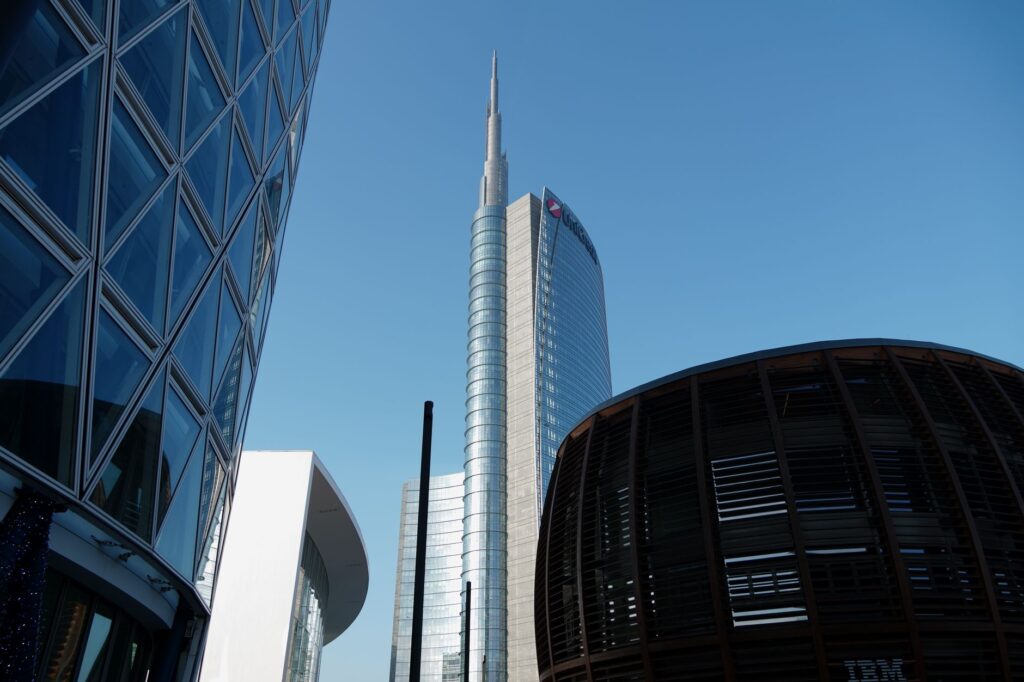
Last week we had a couple choosing between a Friday arrival into Malpensa and a late flight home from Lisbon. Same budget, same three nights, very different trip. One option meant aperitivo in Brera after seeing The Last Supper, the other meant grilled sardines in Alfama, tram bells, a sunset at Miradouro de Santa Catarina and change left in the wallet.
We sell both cities year round, and we like both, but we don’t sell them for the same reason. Milan is a polished, expensive, urban break that works best if you care about design, shopping, big-name art and eating very well. Lisbon is looser, warmer, better value and easier to enjoy without planning every hour.
So let’s be blunt. For most people flying in from all over the world for three or four nights in August or around it, Lisbon is the better booking. This piece is for the long-weekend traveller who wants the right city first time, not a diplomatic tie.
Short answer
- Milan Design lovers and return Italy visitors who want a polished city break.
- Lisbon First-time weekend breakers who want warmth, value and easy evenings.
Getting there and how long it takes
Milan has two main airports most leisure travellers touch, Malpensa and Linate, plus Bergamo for a lot of low-cost traffic. That sounds flexible, and on paper it is, but the awkward truth is that airport choice changes the trip more than people expect. Linate is the easy one, close to the city and linked well by metro and taxi. Malpensa is fine on the express train, usually around 50 minutes to Centrale. Bergamo is the one that catches people out, because the bus transfer into town often turns a short flight into a longer arrival day.
Lisbon keeps life simpler. Humberto Delgado Airport is close to the centre, the metro starts almost at the terminal, and a taxi or app ride into Baixa, Chiado or Avenida da Liberdade is usually straightforward unless you land at peak time. For a short break, that matters more than glossy airport lounges. You lose less time.
From North America, both cities work well nonstop from some gateways and one-stop from many others. From the Gulf, Africa and much of Europe, both are easy. From Asia and Australia, neither is a quick hop, but Lisbon rewards the long-haul traveller better on a short stay because the airport-to-first-drink time is shorter and the city centre is more compact to enjoy fast. Lisbon wins this round.
Where you actually stay
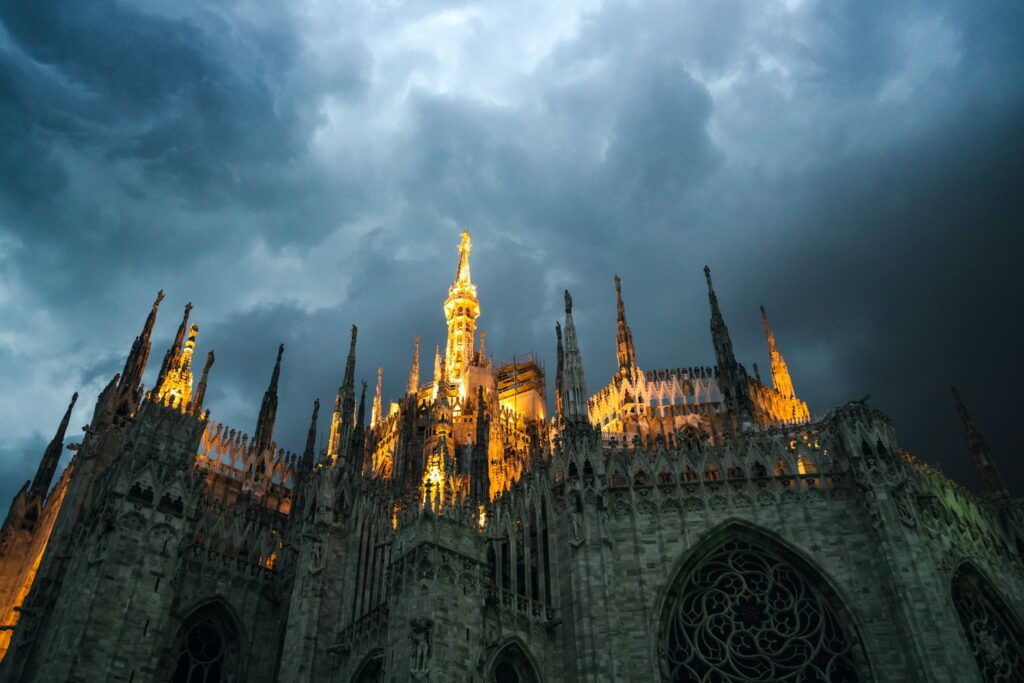
In Milan, we steer most first-timers to Brera, Porta Venezia, the canals around Navigli if they want evenings out, or the area between Duomo and Porta Romana if the budget can handle it. Brera is handsome and expensive, all elegant streets, good bars and easy walks. Porta Venezia gives you better hotel value and plenty of restaurants. Navigli is lively at night but we warn light sleepers off the main canal strip because it gets noisy and can feel more stag-do than stylish by midnight in summer.
One mistake we see often is booking near Milano Centrale because the map looks practical. It is practical for trains. It is not where we’d spend a romantic long weekend. Around the station there are perfectly decent hotels, but the feel is functional, traffic-heavy and less charming than people expect from Italy.
Lisbon has clearer winner districts for a short stay. Baixa works for first-timers who want flat streets, transport and easy sightseeing. Chiado is the sweet spot for us, central, smart and lively without the full crush. Alfama has character in spades, but dragging cases over cobbles and hills in August heat is nobody’s idea of a smooth arrival. Bairro Alto is fun, but stay on its edges if you want to sleep before 2am.
We also like Príncipe Real for repeat visitors and couples who want restaurants and a slightly calmer base. It isn’t cheap anymore, but it still feels better value than equivalent Milan neighbourhoods. Overall, Lisbon has more areas that work well for a three-night stay at mid-range prices. Milan asks you to pay up for its best bits.
The sights worth your money, and the ones to skip
Milan is stronger on named, serious sights than people give it credit for. The Duomo rooftop is worth paying for, especially early or late when the light softens the stone and the queues are less grim. The Last Supper is still one of the hardest tickets in Europe, but if you secure it, go. We’ve never had a customer regret that hour. The Pinacoteca di Brera is excellent. So is the design interest of simply walking Quadrilatero della Moda and the courtyards around Brera.
What do we tell people to skip? Most of the shopping arcade time in Galleria Vittorio Emanuele II beyond a look. It is beautiful, yes, but spending a precious half day there buying things you can buy elsewhere is poor use of three nights. We also don’t rate the San Siro tour highly enough to build a short break around it unless you are serious about football.
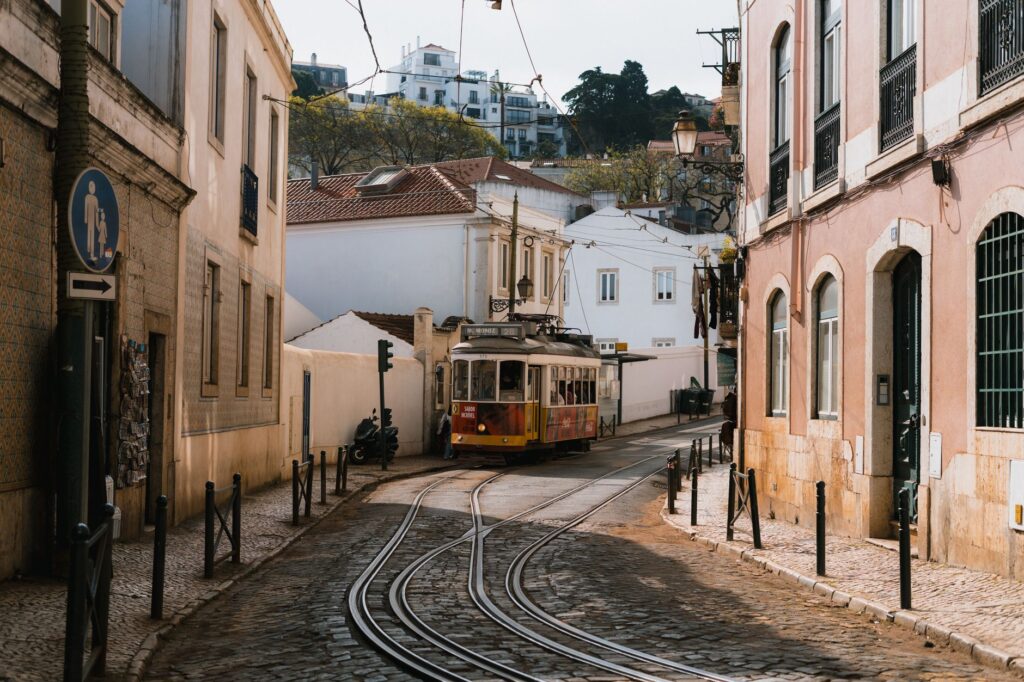
Lisbon’s strength is that the city itself is the sight. Tram 28 is famous for a reason, but we tell clients to ride it early, very early, or leave it alone. In the middle of the day in August it is a queue followed by a crush. Better value are the miradouros, São Jorge Castle for the views, Jerónimos Monastery if you get there near opening, and the MAAT or Calouste Gulbenkian if you want a museum break from the heat. Belém Tower looks great from outside. Going inside matters less.
Sintra is the trap in this matchup. It is a lovely day trip, but many people cram it into a three-night Lisbon break and come back tired, overheated and annoyed by queues at Pena Palace. If you only have three full days, stay in Lisbon proper. For sights alone, Milan edges it on heavyweight culture. For how enjoyable sightseeing feels on a short break, Lisbon is easier and more forgiving.
Food and drink
Milan eats better than many first-time visitors expect. This is the city of risotto alla Milanese, ossobuco, cotoletta and polished aperitivo culture. We send clients to Brera and Porta Romana for dinners they remember, and we like the ritual of an early evening Negroni or spritz with snacks that can almost become dinner if lunch ran late. The weak point is value around the Duomo, where too many restaurant terraces charge hard for average food.
Lisbon is less formal and more fun pound for pound, or euro for euro in this case. You can eat extremely well on grilled fish, piri-piri chicken, petiscos, bifanas and pastéis de nata without treating every meal as an event. Time Out Market gets a lot of attention and it is handy, but we rarely send people there more than once because it is busy, glossy and pricier than the best neighbourhood tascas.
Where Lisbon really pulls away is drinking and casual evenings. A glass of vinho verde, a ginjinha stop, rooftop bars with Tagus views, late dinners that do not wreck the budget, it all adds up to a city that feels generous. Milan has more high-end dining and better fashion-week swagger. Lisbon gives more pleasure per euro. For a long weekend, we give food quality by a whisker to Milan, but the full food-and-drink round to Lisbon because the bill stings less and the fun starts earlier.
What a day realistically costs
We’d budget Milan for a couple on a long weekend like this: a decent central hotel often starts around EUR 220 to 320 a night in the more convenient areas, with higher rates during fairs and major events. Add breakfast, coffees, a museum or two, a proper dinner and aperitivi, local transport and the total lands around EUR 280 to 420 a day for two before shopping. That is the honest range, not the fantasy one.
Lisbon sits lower. A solid mid-range hotel in Chiado, Baixa or Príncipe Real is often around EUR 140 to 230 a night outside major spikes, and even in August there is usually better spread than Milan. Add tram and metro fares, a paid sight or two, lunch, dinner, drinks and the day often comes in around EUR 190 to 310 for two.
There are cheaper and pricier versions of both, of course, but this is where we see real bookings settle. Milan drains budgets through hotels first and restaurants second. Lisbon lets people say yes more often, to another round, a better room, an extra museum, a taxi back up the hill. Value is not close. Lisbon wins comfortably.
- Milan, central mid-range long weekend for two: roughly EUR 1,100 to 1,650 for three nights, excluding flights.
- Lisbon, central mid-range long weekend for two: roughly EUR 750 to 1,200 for three nights, excluding flights.
Who each city suits, and who it does not
Milan suits travellers who enjoy cities as cities. Good shops, strong museums, smart hotels, crisp service, train access for a Lake Como add-on, that crowd does very well here. It also works for repeat Italy visitors who have already done Rome and Florence and want a different Italian mood. Families with older teenagers who like fashion, football or design can have a very good break.
It is weaker for travellers wanting a romantic old-world postcard every hour. Parts of Milan are handsome, but much of it is businesslike and spread out. We have had clients come back saying, a bit sheepishly, that they respected Milan more than they loved it. That sounds harsh, but it is useful.
Lisbon suits first-time Europe city-break clients brilliantly, couples wanting atmosphere without huge spend, groups of friends, solo travellers and food-led weekends. It also works surprisingly well for mixed-age family groups because there is enough to do, the airport is close and the city has those easy scenic wins. The weak spot is mobility. Those hills, pavements and tram starts are hard work for anyone unsteady on their feet, and August heat amplifies that.
For nightlife, Lisbon is the clearer choice. Bairro Alto, Cais do Sodré and rooftop bars make late evenings easy. Milan has good bars and clubs, but it is less immediate for a three-night visitor unless you already know where you are going.
Weather and the best and worst months to go
August is exactly where this contest becomes interesting. Milan in August is hot, often humid, and many locals leave. That means lighter business traffic, but also some restaurant closures and a city that can feel flatter than it does in spring or autumn. We stopped pushing Milan hard for August weekends years ago unless the client had a very clear reason for going, such as shopping sales, a specific event or pairing the city with the lakes.
Lisbon in August is hot too, but the Atlantic influence usually makes it more bearable than inland Italian heat, especially in the evening. The city is busy, yes, and the famous tram routes are packed, but terraces hum, viewpoints stay lively and the place still feels open for business. Water temperatures at nearby Cascais and Carcavelos are not tropical, but a beach half-day is a real option, which Milan simply does not have.
Best months for Milan are April, May, September and October. Best months for Lisbon are March to June and September to October, with August still perfectly saleable. Worst timing for a short Milan break is late July into August if you dislike heat and half-shuttered streets. Worst timing for Lisbon is peak summer if you hate crowds and steep climbs in warm weather, plus stretches of winter when rain and wind can make the hills feel longer than they look.
The booking advice we only learned by doing this for years
First, do not book Milan on airport code alone. We see people choose the cheapest fare and only later realise they are landing at Bergamo after dark with a long transfer ahead. On a three-night break, that saving often disappears in bus fares, time and irritation. If the Milan fare into Linate is a bit higher, we often tell clients to take it and protect the trip.
Second, in Lisbon, room choice matters more than star rating. Ask for air conditioning that is genuinely effective, not just listed. Ask whether the property sits on a hill and whether cars can reach the door. Old buildings in Alfama and Bairro Alto can be lovely, but a handsome staircase is less romantic with luggage and 31-degree heat.
Third, prebook the few things that genuinely need prebooking and leave the rest loose. In Milan, that means The Last Supper first, then perhaps Duomo rooftop timed entry. In Lisbon, if Jerónimos is on your list, go near opening and do not overbook every hour around it. The best Lisbon weekends have breathing room.
Our strongest trade advice is simple. If flights from your home airport price out similarly, choose Lisbon and spend the difference on the hotel location, not the room category. Stay in Chiado or near Avenida da Liberdade, fly at civilised times, and keep one evening free for a restaurant you pick on the day. If you choose Milan, pay for the better airport and the more central district. That is where the short break is won or lost.
Milan vs Lisbon: the side by side
| Milan | Lisbon | |
|---|---|---|
| Flight time | Good long-haul access, 3 airports | Good long-haul access, central airport |
| Typical week's cost for two | EUR 2,600 to 3,900 | EUR 1,800 to 2,900 |
| Best months | April, May, September, October | March to June, September, October |
| Beach quality | No city beach option | Cascais and Carcavelos nearby |
| Getting around | Excellent metro and trams | Good transit, hills slow you |
| Family suitability | Better for older children | Better for mixed ages |
| Nightlife | Smart bars, selective scene | Easier, livelier nights |
| Airport to centre | 20 to 60 minutes | 20 to 30 minutes |
| Heavyweight sights | Duomo and Last Supper | Castle and Belém highlights |
Highlighted cells show where our consultants give the edge.
Holiday Vote recommends
LisbonPortugal
Lisbon wins the long weekend
For three or four nights, Lisbon is the stronger booking because it wastes less time and less money. The airport is close, the centre is easier to enjoy fast, food and drink are friendlier on the budget, and August works better there than it does in Milan. Most clients come back from Lisbon feeling they fitted in a full break without rushing.
Book Milan instead if your weekend is built around specific culture and style, especially The Last Supper, the Duomo, shopping, design or a smart add-on by train. For everyone else, especially first-timers and anyone watching spend, we would put them on the Lisbon flight.
Which would you book?
0 votes so far
Questions we get asked
Is Milan too expensive for just three nights?
It is expensive by Southern Europe standards, mainly because hotel rates bite first. If you want a central room, proper dinners and a couple of paid sights, budget honestly or you will spend the whole trip saying no.
Can we do Lisbon without using trams much?
Yes, and we often suggest it. Stay central in Baixa or Chiado, use the metro for longer hops, take taxis uphill when needed and treat the historic tram as a bonus, not a transport plan.
Which city is better in August?
Lisbon, clearly. Milan is hotter, more humid and more prone to that half-empty August feeling, while Lisbon stays lively and still gives you the option of a beach half-day.
Is Milan good for a first Europe city break?
It can be, but we rarely choose it first. Rome, Lisbon and a few others usually give more instant reward, while Milan works better for travellers with a clear interest in food, fashion, design or art.
Should we add a day trip on a three-night break?
From Milan, Lake Como is tempting but it makes the city feel rushed unless you have four nights. From Lisbon, we would skip Sintra on three nights and keep the time for neighbourhoods, viewpoints and long meals.
Other matchups