
Last August, one family sat in front of us with the same shortlist we hear all the time, Colombo or Bali, two adults, two children, one nervous first long-haul trip. Their eldest wanted monkeys and swimming pools, the youngest needed early dinners and short transfers, and the parents wanted to keep the whole week under control without spending the first three days learning how to holiday in a new country.
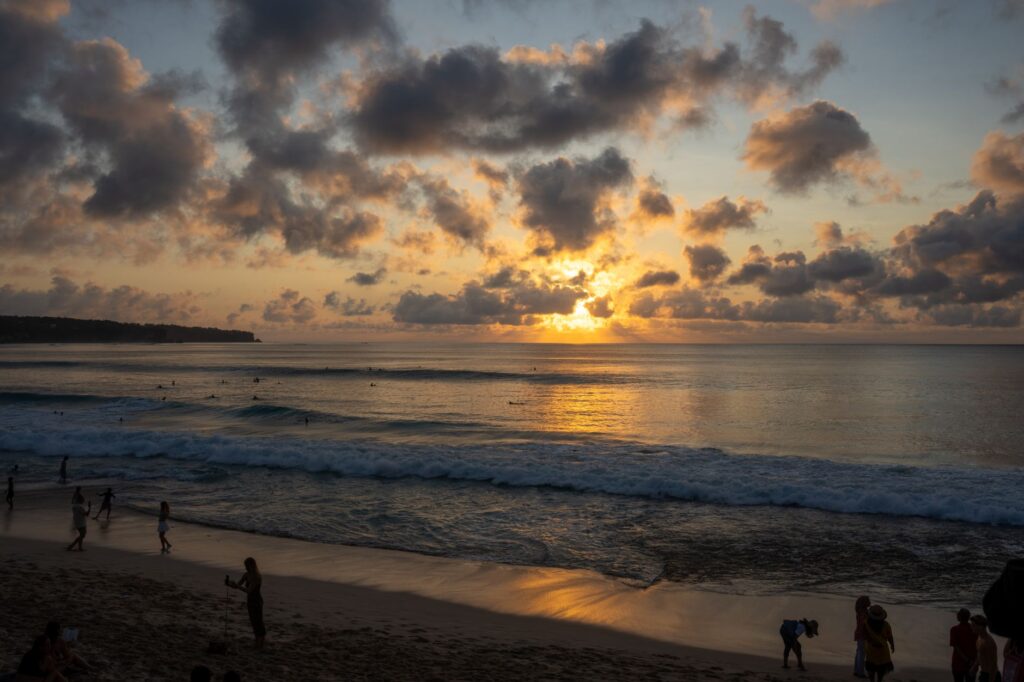
That is where these two places split. Colombo is a real city on Sri Lanka’s west coast, useful, energetic and good value, but it is not the easy beach-holiday shorthand people think they are buying. Bali, landing through Denpasar, is far more polished for family tourism, with Sanur’s calm sand, Nusa Dua’s sealed-off resorts and Ubud’s soft-landing version of culture for children.
We are not judging two postcards. We are judging two actual bookings for parents travelling from all over the world with children under ten.
Short answer
- Colombo Families using the capital as a low-cost Sri Lanka starter, not a full beach week.
- Bali (Denpasar) Families wanting an easy first long-haul holiday with beaches, pools and simple logistics.
Getting there is easier in Bali once you land
From Europe, the Gulf and most of Asia, both are long-haul but manageable with one stop. Colombo’s Bandaranaike International Airport sits north of the city near Katunayake, and if traffic behaves you reach central Colombo in 45 minutes. If it does not, and in afternoon rain it often does not, that transfer drifts beyond an hour. Bali’s Ngurah Rai airport is much closer to the resorts people actually book, around 25 to 40 minutes to Jimbaran, Kuta or Seminyak, roughly 30 to 45 to Sanur, and longer to Ubud at around 1 hour 15 minutes to 1 hour 45 minutes.
For families, the harder part is not the flight, it is what happens after it. Colombo asks more of you immediately. The city traffic is noisy, road crossings are awkward with young children, and most families then add another inland or beach transfer because they realise they do not want a full week in the capital. Bali is set up for arrival-day recovery. We send tired families straight to Sanur, where they can be by the pool before the children melt down.
One awkward truth here, Bali still wins even though the airport can be chaotic and queues at Denpasar are famous for testing patience. The reason is simple. Once you are through, your holiday starts faster.
Where families actually stay
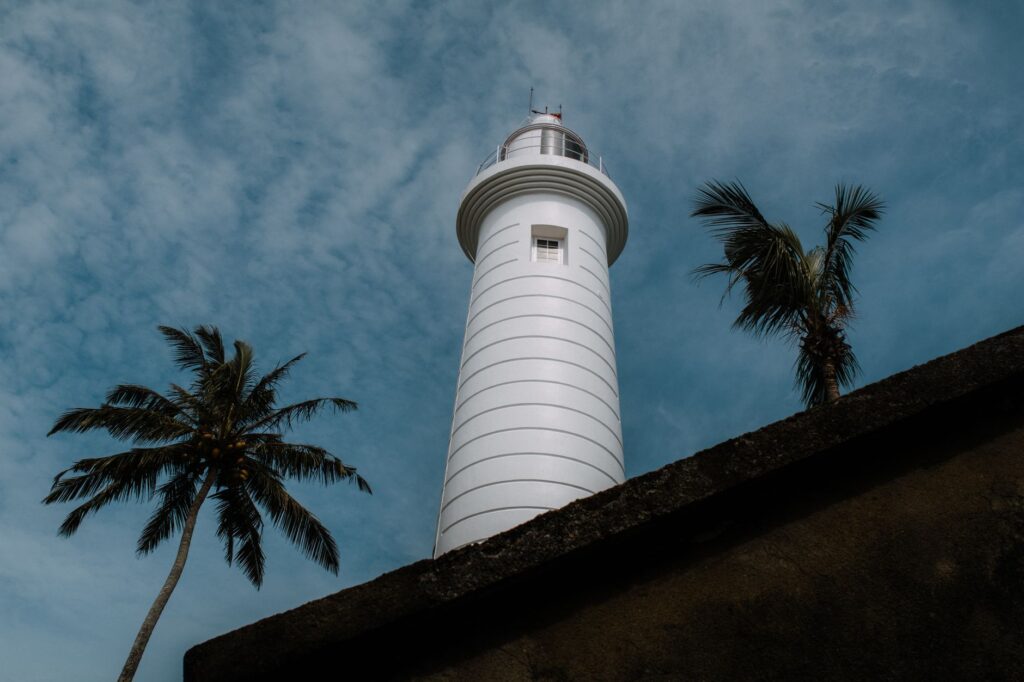
In Colombo, we only recommend a short stay for first-time families, usually Colombo 3 around Kollupitiya, Colombo 5 for a calmer residential feel, or the oceanfront stretch near Galle Face if the hotel itself is the point. The city gives you malls, cafés, museums and a couple of useful sightseeing days, but the sea is for looking at, not for the classic paddling holiday. Mount Lavinia has a real beach atmosphere and works better than central Colombo if you insist on staying near the capital, yet it still feels like an urban edge resort rather than a pure family beach base.
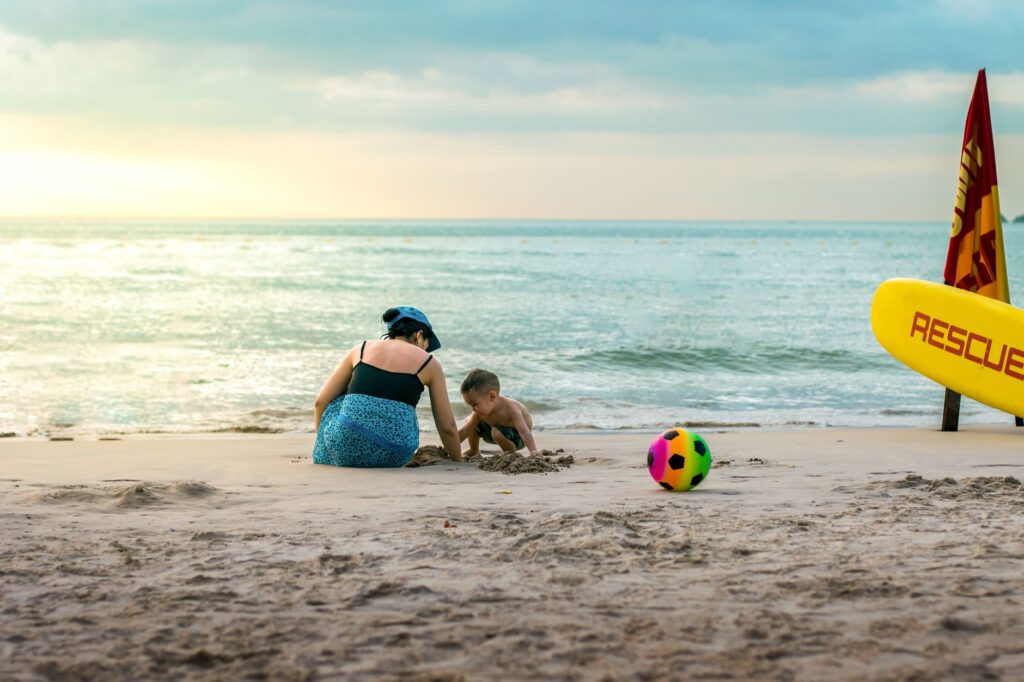
Bali gives you cleaner choices. Sanur is our first pick for under-tens because the beach is gentler, the promenade is flat enough for prams and scooters, and dinner is easy without late-night noise. Nusa Dua is the low-stress option if you want a resort enclave, polished grounds and reliable sand, though it can feel cut off from local life. Ubud is excellent for three or four nights with older children who cope well with car journeys, but for toddlers we prefer to pair it with the coast rather than make it the whole holiday.
We rarely put a first family holiday in Seminyak now unless the parents know exactly what they are buying. There are lovely villas and smart restaurants, but pavements are patchy, traffic is wearying and the beach is rougher than people expect. This is where brochure language gets families in trouble.
The sights worth paying for and the ones to skip
Colombo is better than people give it credit for on paid sights, but only for a short burst. The National Museum is worthwhile if your children can handle an hour indoors. Independence Memorial Hall and Galle Face Green are free and far more useful for letting them run. We like a tuk-tuk tour that strings together Gangaramaya Temple, the Old Dutch Hospital precinct and Pettah market edges, because it turns transport into entertainment. What we skip for most under-tens is overloading the city with museums and colonial buildings after a long flight. Two meaningful stops beat six worthy ones.
Bali has the stronger family sightseeing hand by a distance. Ubud Monkey Forest is still a hit if parents understand the rules, no loose food, no shiny sunglasses in little hands. Bali Safari, the Waterbom waterpark in Kuta and a simple temple stop such as Tanah Lot at the right hour all earn their place. Tirta Empul can work well if the children are old enough to watch rather than wriggle. We also sell plenty of half-day trips that combine a rice terrace, a short craft stop and an early dinner, because children do not need a ten-hour culture marathon.
There are tourist traps in both. In Colombo, some families waste a day trying to force a city into a beach holiday. In Bali, we tell people to skip over-packed swing parks and thin animal encounters dressed up for social media. Save the money for a driver and choose fewer, better stops.
Food is easier in Colombo, but Bali feeds children well
Colombo wins on value and on the quality of everyday eating. A proper Sri Lankan rice and curry, hoppers at breakfast, kottu roti for a casual dinner, short eats from a good bakery, this is one of the cheapest places in Asia to eat very well. Hotels in Colombo also tend to handle fussy children nicely because staff are used to mixed groups and multi-generation travel. We have had parents come back talking about plain rice, dhal and grilled fish saving the week.
Bali’s food scene is broader for western comfort and specialist diets. Sanur and Ubud are especially easy for vegetarian meals, smoothie bowls, pasta, wood-fired pizza and the sort of chicken-and-rice plates children actually finish. Indonesian dishes such as nasi goreng, mie goreng and satay go down well with younger travellers because the flavours are familiar enough. The downside is price creep in Seminyak, Canggu and upscale Ubud. A string of fashionable cafés can quietly double your food budget.
Our trade view is blunt. Colombo is the better eating city. Bali is the easier family holiday dining destination.
What a day really costs
Colombo is the cheaper booking if you keep your eyes open. In August, a comfortable family room in a solid mid-range hotel often lands around EUR 70 to 140 a night, while higher-end city hotels jump well beyond that. Simple local lunches for four can be EUR 12 to 20, dinner in a smart hotel or restaurant more like EUR 25 to 50, and app taxis or tuk-tuks stay low by international standards. A realistic family day with meals, short rides and one paid activity often sits around EUR 70 to 140 before hotel.
Bali still counts as affordable, just less forgiving. In Sanur or Nusa Dua, family-friendly hotels usually start higher than Colombo’s equivalent, and private pool villas in Seminyak or Ubud push the cost up fast once school-holiday demand bites. Meals range from cheap warungs to polished resort restaurants, but the average family day with food, a car and driver, and one attraction more often sits around EUR 100 to 190 before hotel.
For a rough one-week spend for two adults and two children, excluding long-haul flights, we usually see this pattern.
- Colombo based stay with a couple of excursions, around EUR 1,100 to 1,900 in mid-range comfort.
- Bali split stay, usually Sanur plus Ubud, around EUR 1,500 to 2,600 at a similar standard.
Colombo wins value. Bali wins what you get for the extra spend.
Weather is where the brochure gets slippery
August is a decent month for Bali and an awkward one for Colombo. Bali sits in its drier season then, with lower humidity than the wettest months and more reliable beach time, although this is also peak demand and roads around Seminyak, Canggu and Ubud are no joke. We like May, June and September best for families because you keep much of the good weather with slightly less pressure on prices and roads.
Colombo, on Sri Lanka’s southwest side, is less straightforward in August. The city and nearby west-coast beaches are in the tail end of the southwest monsoon pattern, so you can still get heavy showers, rougher seas and a greyer coastline than the photos suggest. Families who want Sri Lanka in August are usually better aimed at the east coast, places like Pasikuda or Trincomalee, but that is not a Colombo holiday and it involves extra travel.
We stopped pretending the seasons are equal years ago. If you are travelling in August and you want easy pool-and-beach days, Bali is plainly the stronger weather bet.
Who each destination suits, and who should avoid it
Colombo suits families who want a first taste of Sri Lanka without spending heavily, who like cities, and who are happy to build a holiday around food, a good hotel and short cultural outings rather than lazy sea days. It also works well as the first two nights of a bigger route through Kandy, Sigiriya or the south coast. It does not suit parents expecting a self-contained beach resort week with easy swimming right outside the hotel.
Bali suits first-time long-haul families almost embarrassingly well. There are kids’ clubs, drivers, villas, calmer beach pockets, early dining, indoor backups for rain and a tourism machine that smooths over small disasters. It is weaker for parents who hate traffic, dislike overtourism or want a destination that feels less interpreted for visitors. Some strips around Kuta and central Seminyak are noisy and tired, and Canggu is a poor fit for under-tens unless the parents are booking it for themselves.
If we are talking about children under ten, Bali is the safer recommendation. Colombo is the more interesting add-on than the full answer.
Booking advice we only learned from selling both for years
The mistake families make with Colombo is booking seven nights in the capital because the fare looks sharp and the hotel pool photographs well. Do not do that. Book Colombo for two or three nights at most, then move, or choose another part of Sri Lanka entirely. If you are fixed on Sri Lanka in August, ask for a route that minimises west-coast beach time and keeps the long road transfers away from arrival day.
With Bali, the trade trick is to choose your first base by transfer stress, not by Instagram. For under-tens, Sanur beats Seminyak on night one almost every time. We also strongly prefer a private driver already arranged before landing, especially for late arrivals. Families who try to improvise transport after a long immigration queue start the holiday in a foul mood.
One more thing, watch room categories carefully in both places. In Colombo, family rooms are limited and interconnecting rooms sell early. In Bali, villa layouts often look family-friendly online but include open staircases, unfenced pools or semi-outdoor bathrooms. We have talked plenty of parents out of their own shortlist for exactly that reason. Ask for the floor plan, not just the prettiest photographs.
Colombo vs Bali (Denpasar): the side by side
| Colombo | Bali (Denpasar) | |
|---|---|---|
| Flight time | Usually one stop, shorter from Gulf | Usually one stop, often longer inland transfer |
| Typical week's cost for four | EUR 1,100 to 1,900 | EUR 1,500 to 2,600 |
| Best months | December to March | May to September |
| August weather | Mixed, wetter west coast | Dry season, more reliable |
| Beach quality | Weak in the city | Sanur and Nusa Dua stronger |
| Getting around | Cheap, traffic heavy | Easy with driver, traffic worse |
| Family suitability | Better as short stop | Excellent for under-tens |
| Nightlife | Limited family relevance | Much bigger scene |
| Food value | Cheaper and better local eating | Broader choice, costs more |
| Split-stay potential | Needs onward touring | Easy coast plus Ubud |
Highlighted cells show where our consultants give the edge.
Holiday Vote recommends
Bali (Denpasar)Indonesia
Bali wins for first family trips
For a first family holiday with children under ten, we would book Bali ahead of Colombo. Sanur and Nusa Dua are easier places to land, easier places to feed tired children, and easier places to fill a week without long road days or weather frustration in August. You pay more, but you spend that extra money buying holiday flow, and with young children that matters more than squeezing every euro.
We would switch to Colombo only if your real goal is Sri Lanka as a wider touring holiday, and the capital is just the opening chapter. In that case, keep Colombo short, keep expectations realistic about the sea, and build the trip around the country rather than the city.
Which would you book?
0 votes so far
Questions we get asked
Is Colombo safe for a family with young children?
Yes, in the usual sensible-travel way, and the bigger hotels handle families well. The issue is less safety than comfort, because traffic, pavements and the city pace make it harder work than Bali.
Which has the better beaches for children who just want to paddle?
Bali, clearly. Sanur is our first pick because the shoreline is gentler and the whole area is easier for a low-stress beach day than central Colombo or even Mount Lavinia.
Do we need a private driver in Bali and Colombo?
In Bali, yes, for most families it is money well spent from day one. In Colombo, app taxis and hotel cars work fine for city use, but a private driver starts making sense if you add longer day trips.
Is August a bad time for Colombo?
For a capital stay linked to west-coast beach time, it is not the month we push hardest. You can still travel, but Bali has the cleaner weather story in August.
Can Colombo be done without moving hotels?
Yes, but we do not recommend a full week there for most under-tens. Two or three nights works much better, then either move elsewhere in Sri Lanka or choose Bali for the whole holiday.